News/features
What’s on the outside matters
—
Packaging can significantly contribute to a product's overall carbon footprint. If you’re unclear about which packaging options are most climate-sensitive, you are not alone. The world of sustainable packaging is fraught with misconceptions and greenwashing. At Nyra, we carefully consider the packaging that we use. It is a crucial part of our journey towards climate-negative products. We aim to share our learnings along the way to help our partners make more informed decisions about the packaging choices you confront daily.
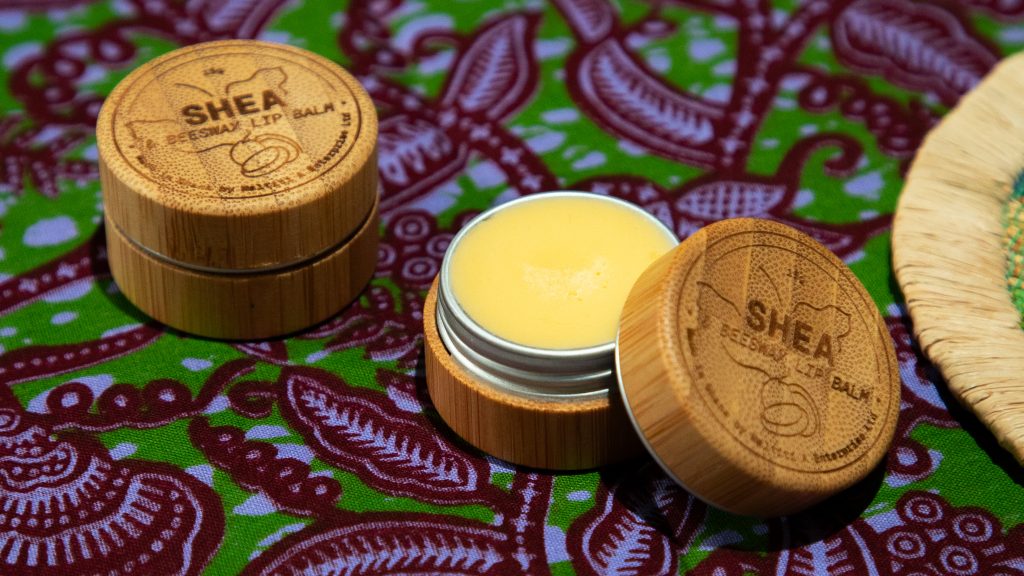
While developing Nyra’s Ghana series, we considered four packaging options for our body butter and lip balm and here is what we learned:
Plastic: We were instinctively put off by plastic because of its dependence on fossil fuels and single-use nature. But plastic does have a few redeeming features. It is lightweight, which is important when shipping emissions are a factor. It is also widely produced and can often be sourced close to producers, minimising the need for shipping. The right type of plastic in the right system can also be recycled.
Glass and aluminium: These have become popular recyclable packaging options, and we were drawn to them because of their visual and textural appeal. However, their production and recycling are
energy-intensive, and glass in particular adds weight to shipping. So, although they can be recycled indefinitely in many systems, we need to factor in emissions across their life cycle. In some applications, this can be higher than plastic.
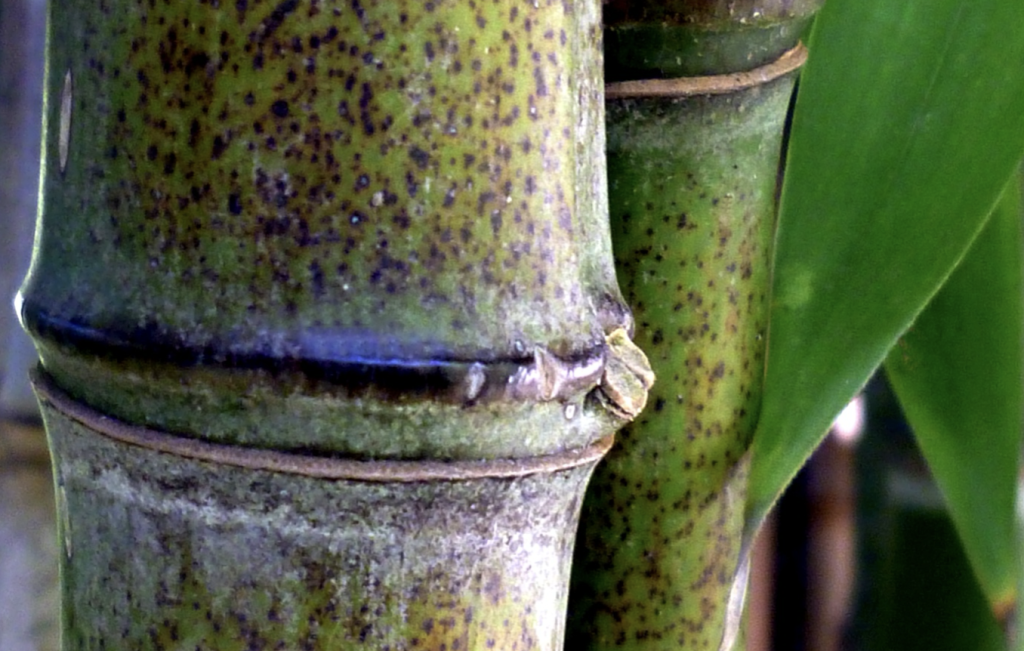
Bamboo: Bamboo is a fast-growing, renewable plant that can be manufactured into durable packaging. It is resilient, provides habitat, food and shelter for numerous species and it can be harvested repeatedly, reducing pressure on land. It is biodegradable, and when used as packaging, it offers a natural feel. Bamboo packaging often requires shipping from Asia, which must be factored into its lifecycle.
The Ghana series uses bamboo packaging for two key reasons linked to Nyra’s mission:
- Of the four products we looked at, bamboo was the only one with the potential to have a positive impact on nature. Bamboo can capture 7 tonnes of carbon per acre per year. It also provides habitat, food and shelter for numerous species when it is grown in the right places and managed carefully. Its dense clumps and fast-growing shoots provide food and shelter for insects, birds, and small mammals. When combined with other trees and plants, bamboo can help restore degraded land into more complex, life-rich habitats.
- The bamboo packaging industry is a potential entry point for small-scale farmers in areas where bamboo is native or appropriately suited. Caution must be taken as bamboo can be dangerously invasive, but in places like China, where bamboo is native, its environmental benefits can flourish while supporting the livelihoods of small-scale farmers. Nyra is developing a partnership with academics in Laos to explore the prospects of bamboo production for sustainable packaging to support livelihoods in one of Asia’s poorest countries.
Bamboo packaging has its limitations, and it can’t be used for all products. But it has vast potential to support nature and livelihoods and to reduce the need for fossil fuel-intensive alternatives. Our research is ongoing in this area, so keep watching this space for more updates on Nyra’s packaging journey.