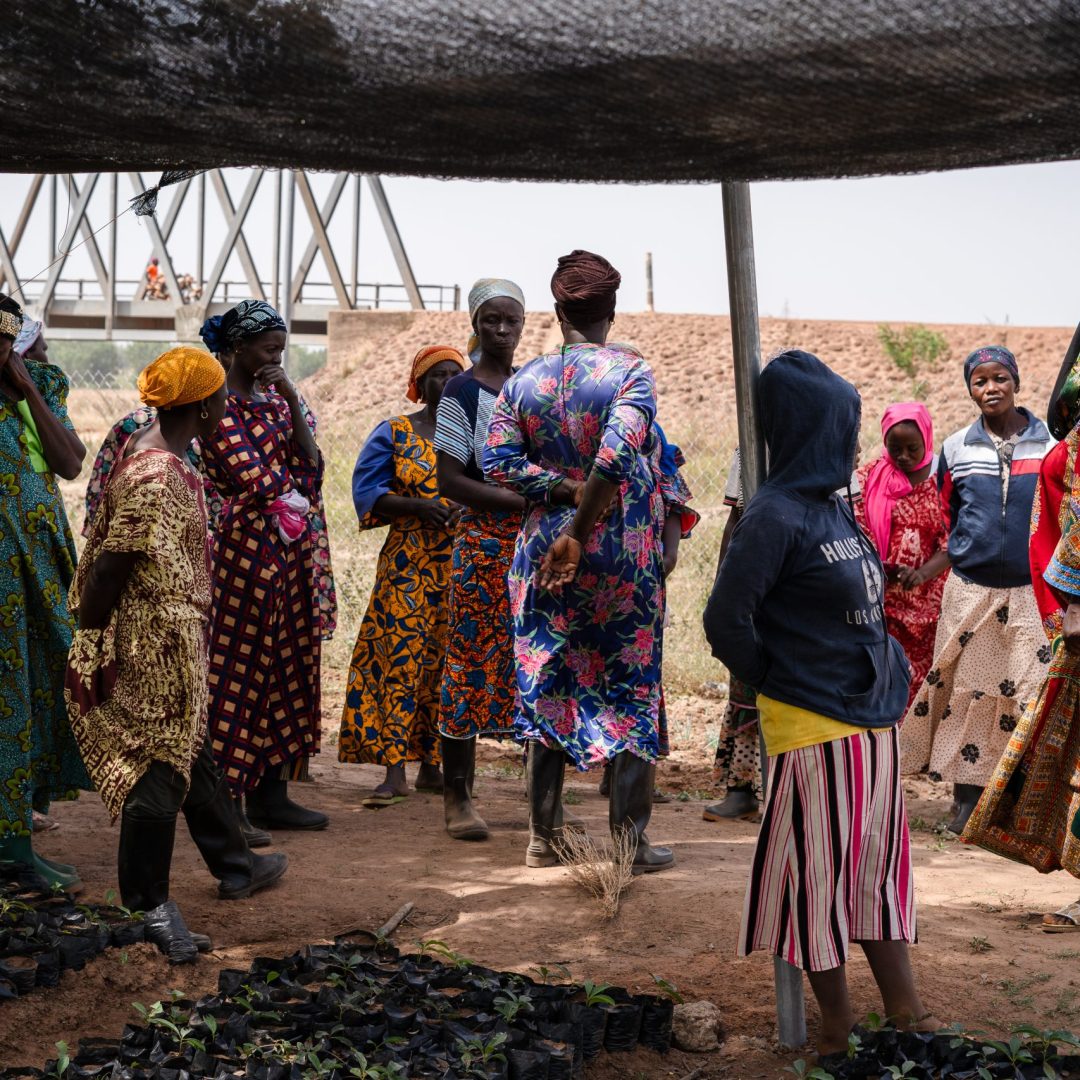
FIELD NOTES 01 Where impact begins
What does environmental and social impact look like before it becomes a number?

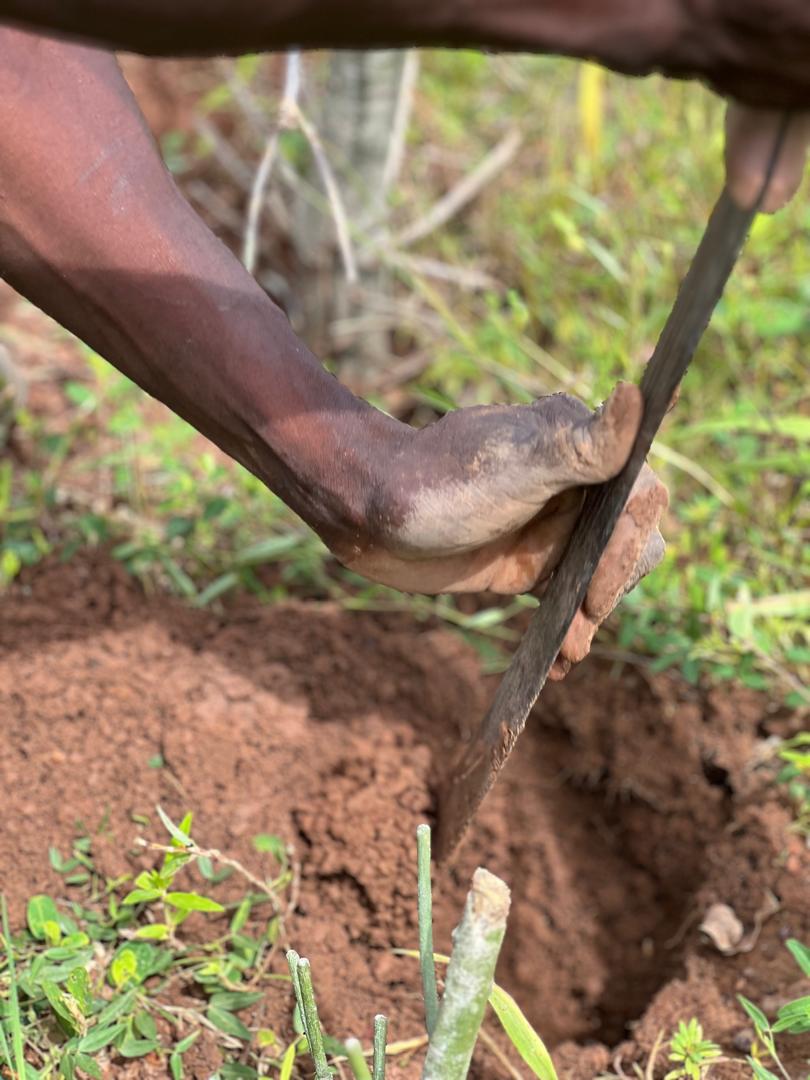
FIELD NOTES 02 One plant at a time
A tree count tells you surprisingly little about impact.
Planting is now underway in Northern Ghana, with the first trees going into the ground.
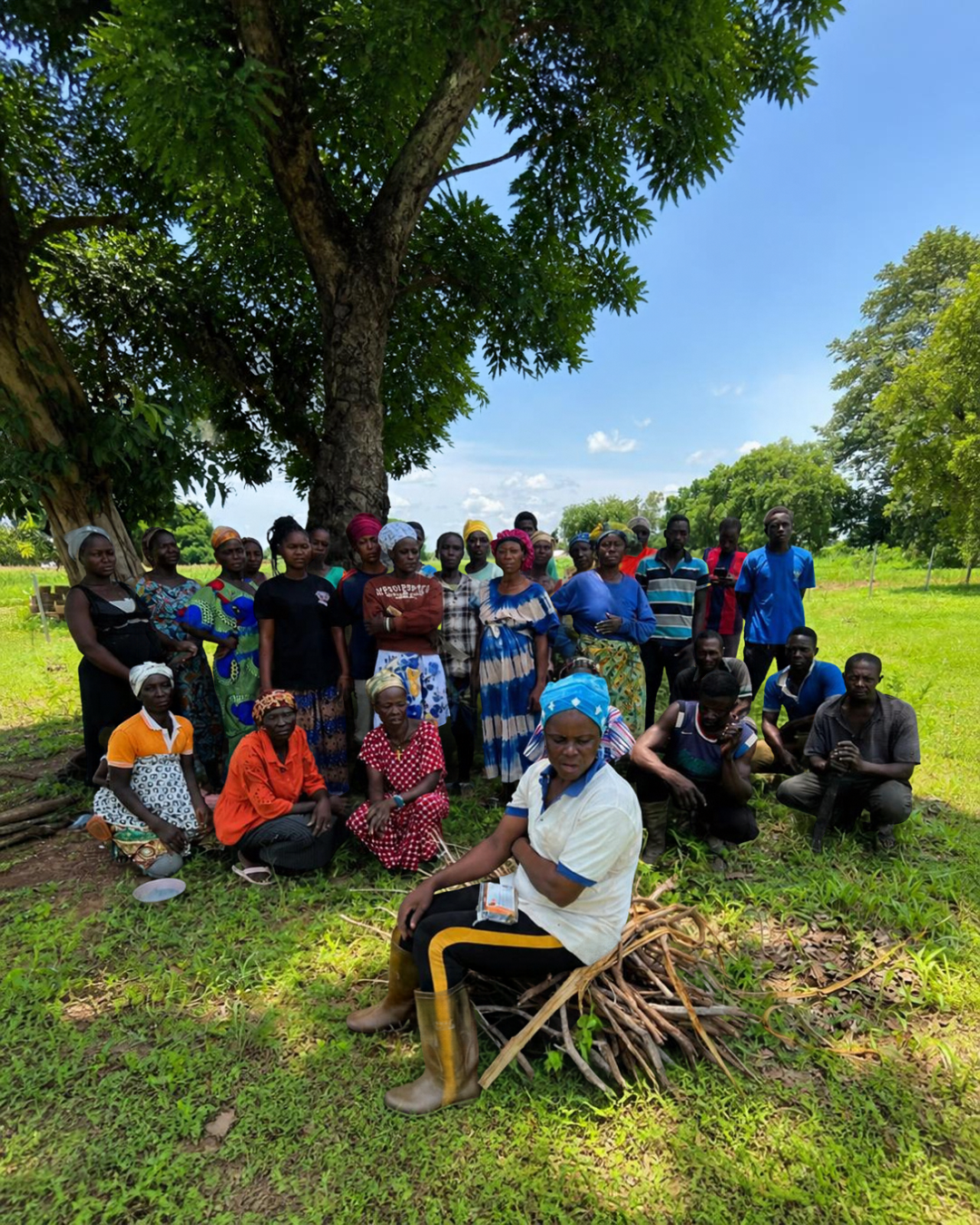
FIELD NOTES 03 Knowledge into practice
Good agroforestry design starts with understanding the landscape — and that knowledge comes from more than one source.
The golden properties of Shea
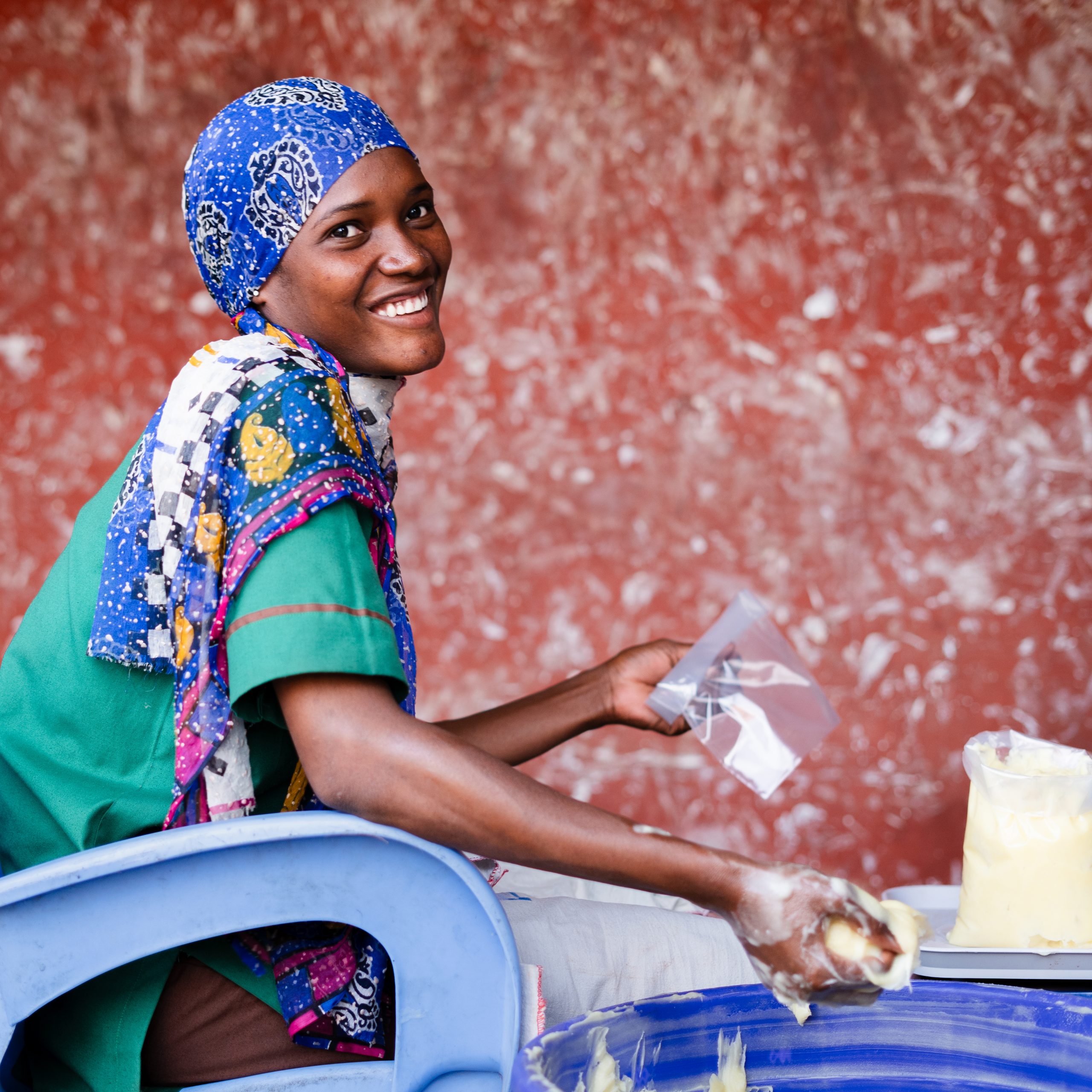
In August, Anita sets off every morning to the parklands near her village in Northern Ghana to gather shea nuts. Her daily journey takes her 5 miles North of her home. Here, she and women from nearby villages meet to collect the smooth, reddish-brown kernels that drop from the patchwork green canopy.
Shea nuts, native to West Africa and sometimes called ‘women’s gold’, have been a key source of nutrient-rich food, medicine and skin care for Anita, her community, and countless generations past.
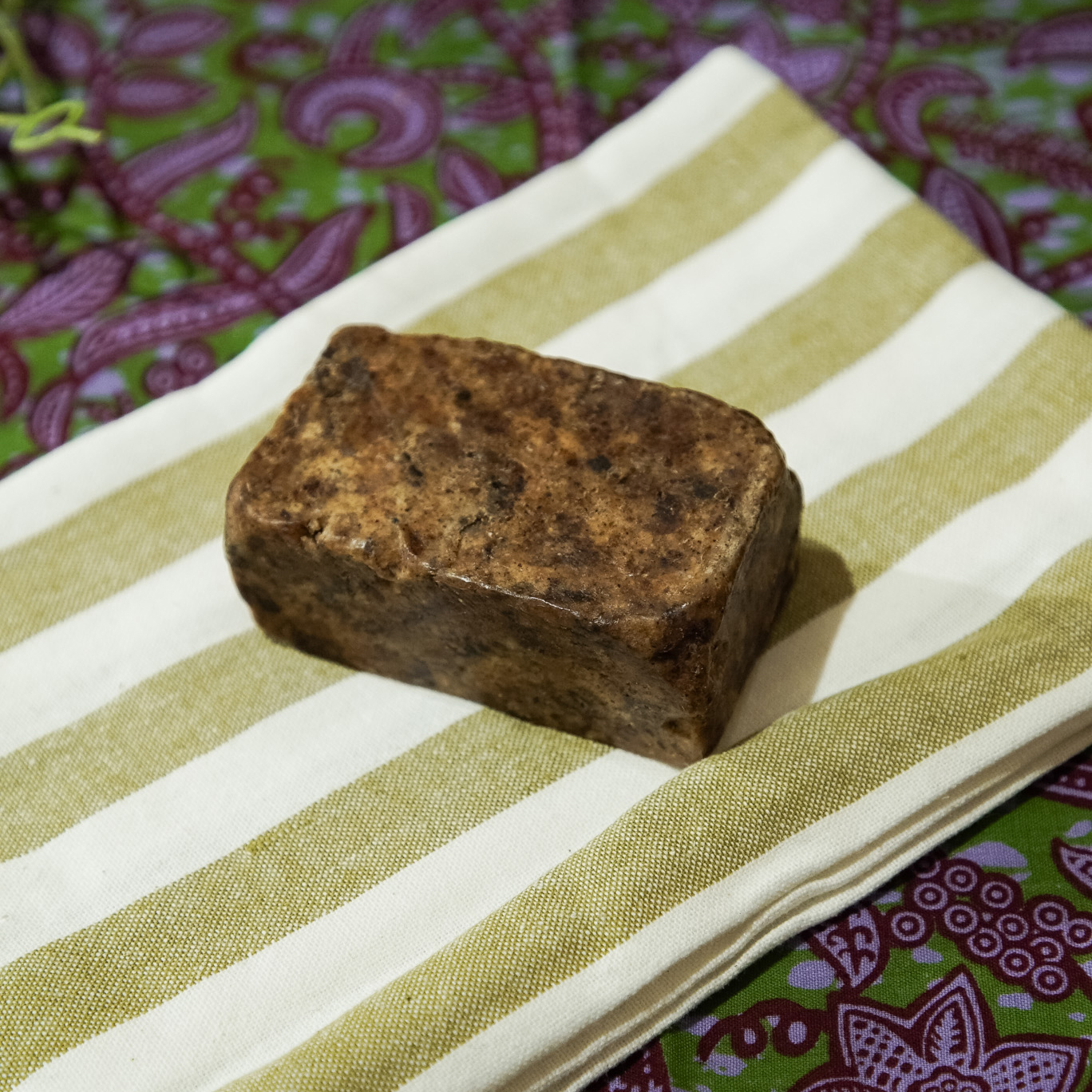
Products that give back to nature
Imagine a world where the daily actions you take restore the environment rather than harm it. This will seem impossible to most people in the UK and elsewhere in the Global North. Everything from what we eat for breakfast to how we get around emits CO2 or has had some negative impact on biodiversity. And the activities that could reverse these impacts – planting trees, growing food sustainably, restoring habitats – are out of our immediate reach. Most of us lack land to plant trees upon or the technical knowledge of how to contribute to biodiversity with the limited outdoor space we have influence over.
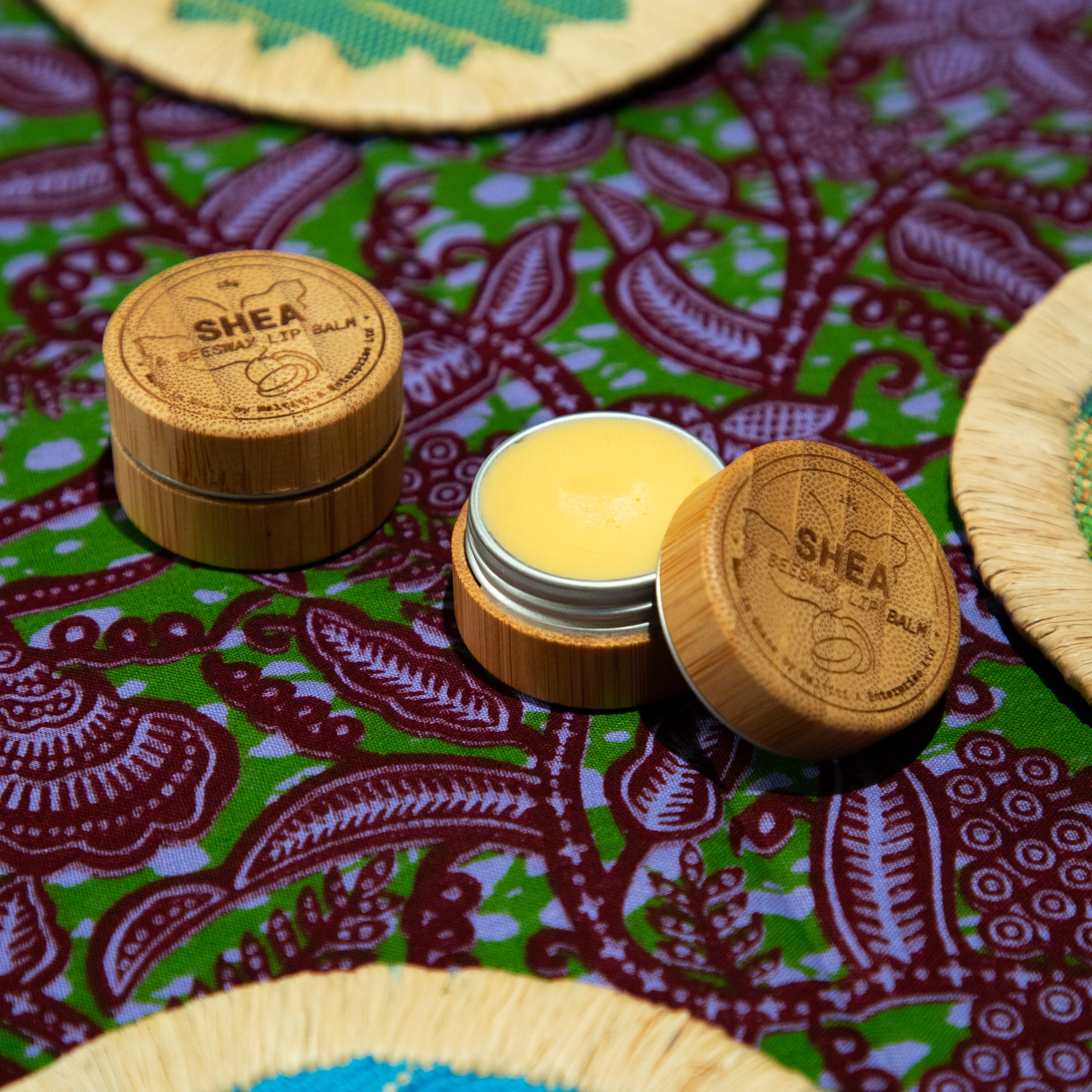
What’s on the outside matters
Packaging can significantly contribute to a product's overall carbon footprint. If you’re unclear about which packaging options are most climate-sensitive, you are not alone. The world of sustainable packaging is fraught with misconceptions and greenwashing. At Nyra, we carefully consider the packaging that we use. It is a crucial part of our journey towards climate-negative products. We aim to share our learnings along the way to help our partners make more informed decisions about the packaging choices you confront daily.